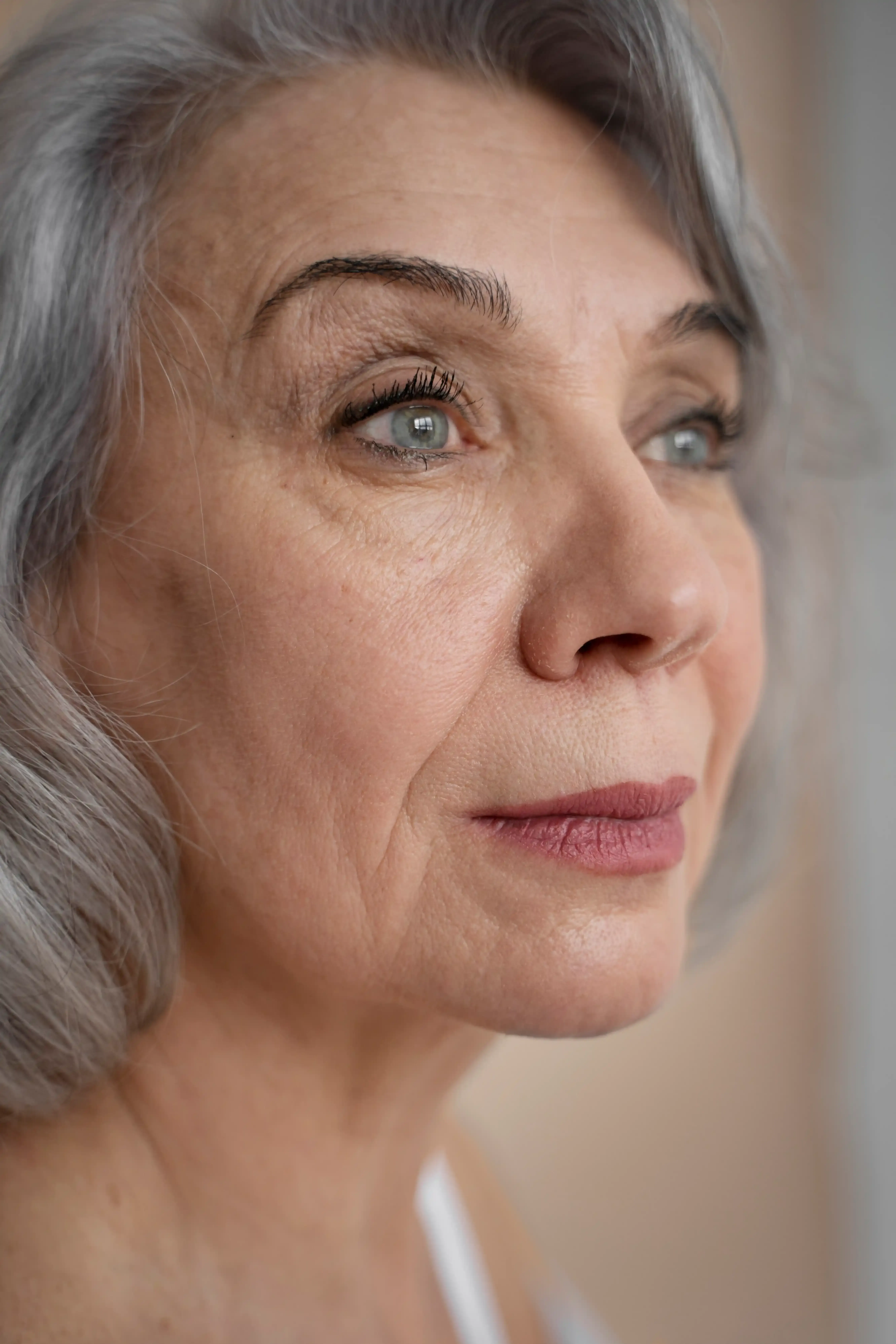


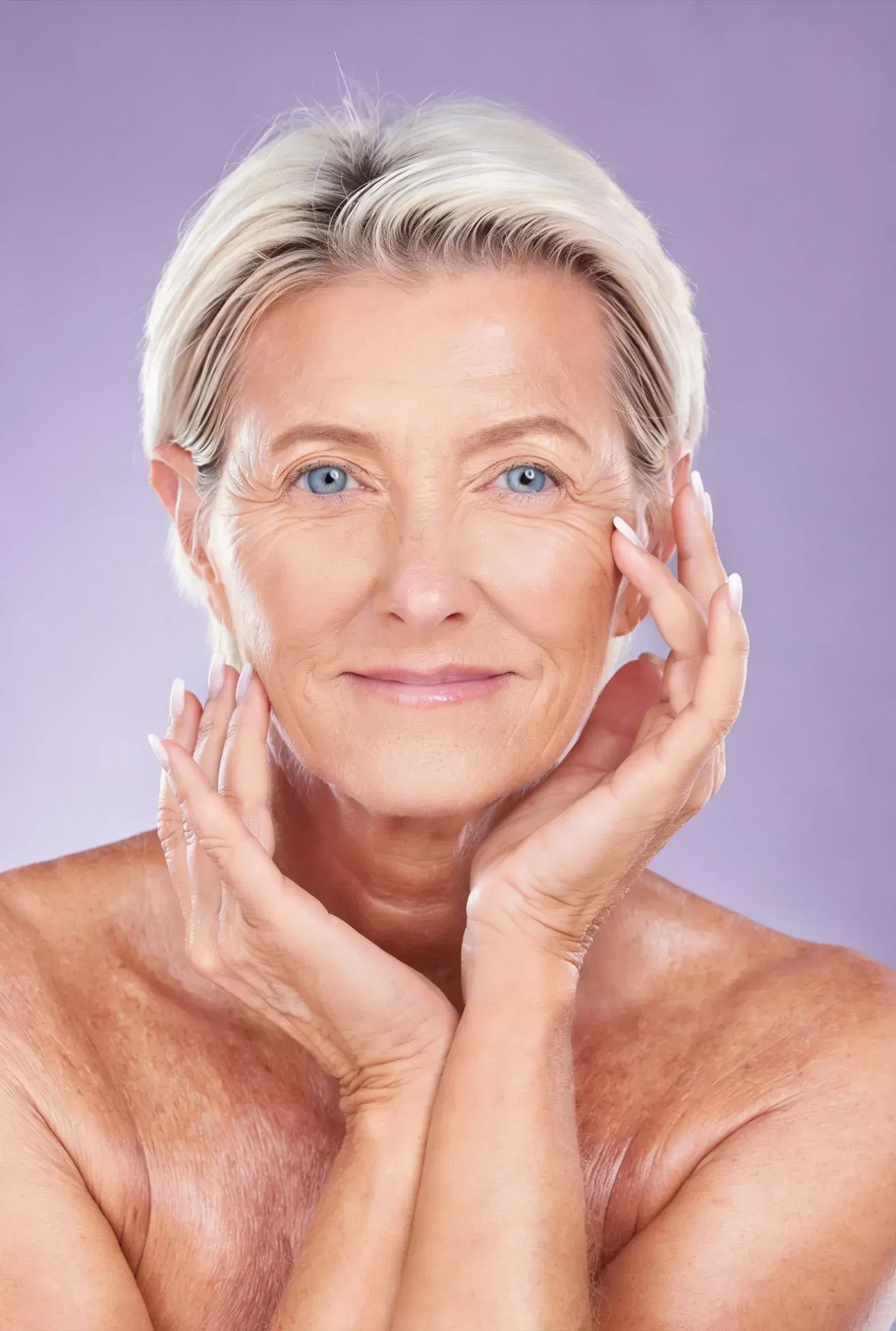
Collagen, the most abundant protein in skin, provides the structural scaffolding that maintains firmness and smoothness. After age 25, collagen production declines by approximately 1-1.5% per year, while existing collagen fibers become increasingly cross-linked and rigid. By age 50, the average person has lost roughly 25-30% of their total dermal collagen, leading to visibly thinner, less resilient skin.
UV radiation accelerates this process dramatically through a mechanism called photoaging. UVA rays penetrate deep into the dermis, activating matrix metalloproteinases (MMPs) - enzymes that actively break down collagen and elastin fibers. In Southwest Florida, where UV index frequently exceeds 10 for six or more months per year, photoaging is the dominant driver of premature skin aging and can account for up to 90% of visible facial aging.
Simultaneously, the skin's hyaluronic acid content decreases with age, reducing the dermis's ability to retain moisture. Each hyaluronic acid molecule can hold up to 1,000 times its weight in water, so declining levels result in volume loss, reduced plumpness, and the accentuation of fine lines into deeper wrinkles.